Painting Contractor: Strategies for Finding the Perfect Professional for Your Project
Identifying the right paint contractor demands a methodical approach. Assessing a contractor's experience, portfolio, and client feedback is critical. Significant considerations include checking certifications and assessing completed projects. Transparent dialogue and established project expectations can further enhance the collaboration. Understanding these factors can lead to a positive result. Yet, determining the best starting point can be the most challenging component. Investigating reliable methods is vital to arriving at a knowledgeable conclusion.
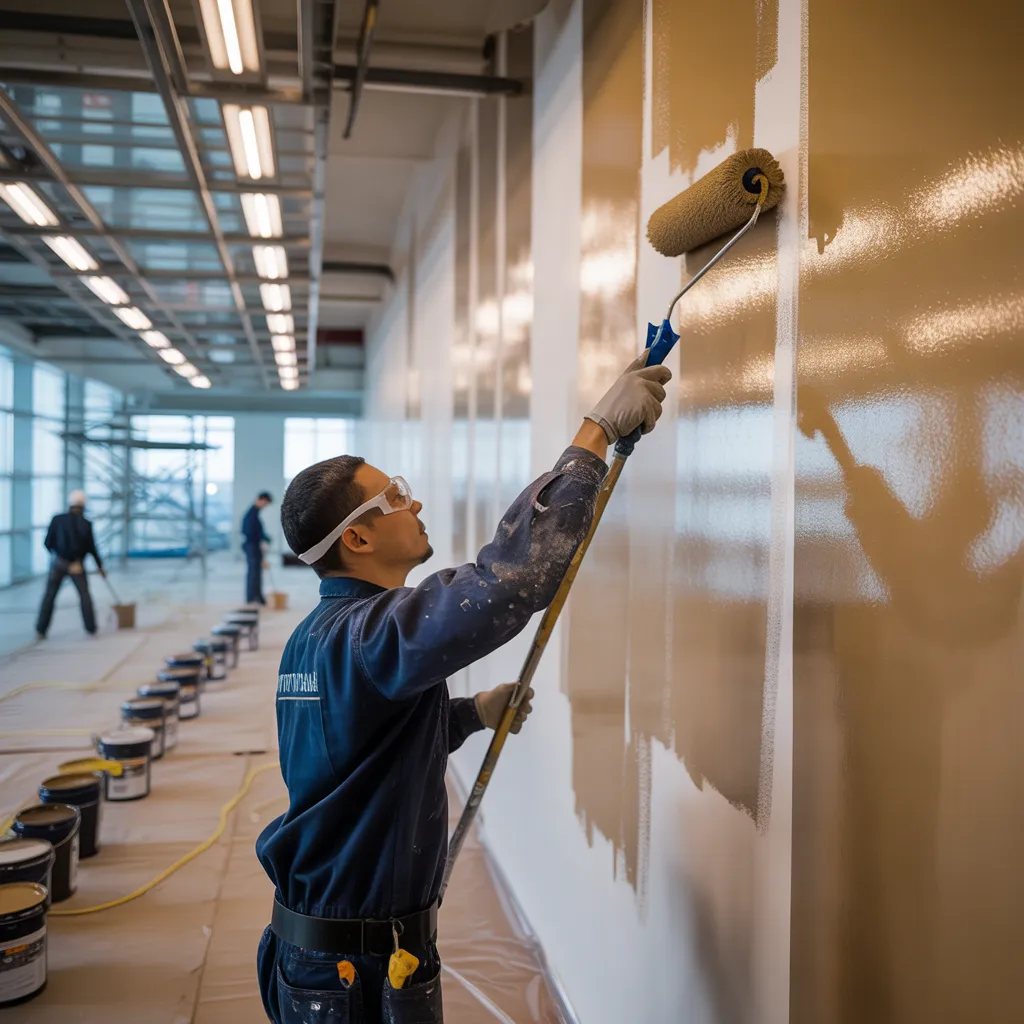
How to Measure Contractor Experience?
When considering a painting contractor's expertise, it is essential to take into account not only the number of years they have been in business but also the diversity of projects they have handled. A specialist summary with a long history may indicate dependability, but diverse project experience demonstrates versatility and proficiency in a range of techniques and materials.
Prospective customers are encouraged to ask about specific types of projects like residential, commercial, or industrial projects. This breadth of experience may greatly influence the standard of the completed work.
Furthermore, examining prior customer reviews and documented case studies can shed light on the professional's dedication and quality of service. Professional certifications or specialized technical training may also improve a professional's credibility. In the end, a comprehensive assessment of experience will help guarantee that the selected contractor possesses the necessary qualifications to fulfill the particular demands of the undertaking.
Finding the Best Painting Contractors
As a next step, prospective clients should confirm each contractor's credentials, including insurance and licensing, to confirm compliance with local regulations. Evaluating the contractor's previous projects offers a glimpse of their experience and approach. In addition, reviewing the services they provide can clarify if they meet project requirements. By compiling this data, homeowners can shortlist their candidates, setting the stage for the next critical phase: reviewing references and feedback to more thoroughly assess the contractor's standing and reliability.
Reviewing References and Feedback
When hiring a painting contractor, checking references and reviews is essential. This process involves verifying the quality of previous work and examining the contractor's online standing. Gathering this information can provide valuable insights into the contractor's dependability and skill.
Evaluate Past Work Quality
Examining a painting contractor's former work quality is vital for ensuring a positive outcome. This approach involves analyzing portfolios that highlight a contractor's past work, helping potential clients to gauge the skill and meticulousness. Additionally, reaching out to previous clients offers insight into the contractor's reliability, communication, and overall conduct. It is advisable to inquire about specific aspects of the work, such as following project timelines and neatness during the project. Digital feedback can further illuminate a contractor's strengths and weaknesses, offering a more comprehensive perspective on client contentment. Conclusively, verifying previous work quality helps prospective clients form informed decisions, guaranteeing alignment with their requirements and project requirements.
Assess Online Reputation History
In what way does a service provider's online presence affect a potential client's hiring decisions? A painting contractor's online profile, including feedback and scores, functions as a crucial tool for potential clients. By reviewing platforms like Google, Yelp, and social media, clients can evaluate previous customers' feedback. Positive feedback underscores quality and reliability, while poor ratings may signal concerns. It is important for clients to verify references, as direct testimonials provide insights into the contractor's dedication and expertise. Additionally, viewing project portfolios can serve as visual proof of the contractor's expertise. Ultimately, a contractor's online standing can heavily affect a potential client's trust and confidence, leading them to a more informed selection for their home painting project.
Establishing Practical Budgets and Timelines
Establishing practical budgets and timelines is crucial when selecting a painting contractor. This includes calculating material costs, accounting for labor expenses, and setting aside adequate time for preparation. A well-structured budget and timeline can help guarantee a smooth project execution and avoid unexpected delays.
Estimate Material Costs
Estimating supply costs is an essential step in picking a paint contractor, as it directly impacts project budgets and timelines. Careful calculations of paint, primer, rollers, brushes, and essential tools are fundamental for establishing a comprehensive cost plan. Contractors are expected to deliver detailed estimates, outlining individual expenses to enable clients to understand the pricing. Furthermore, accounting for the grade of materials is essential; superior-grade paints may carry a higher price tag but can yield a longer-lasting and finer finish. Customers are recommended to review bids from various painters to ensure competitive and fair rates. By defining clear parameters regarding material costs, property owners can eliminate surprise charges and disruptions, ultimately leading to a more efficient painting process.
Consider Labor Expenditures
Even though material costs are significant, factoring in labor expenses is equally important for establishing realistic budgets and timelines when engaging a painting contractor. Labor rates can vary considerably based on the painter's expertise, the scope of the work, and local market factors. It is important to request comprehensive quotes that itemize labor charges apart from material expenses to develop a precise picture of all expenditures. Furthermore, knowing the expected project duration helps in coordinating monetary expectations with project schedules. Contractors may provide different timelines based on their workload, so discussing these upfront can prevent delays. Ultimately, a well-informed budget that includes labor expenses guarantees smoother project execution and reduces the likelihood of unexpected expenses.
Reserve Time for Prep
Before any painting project commences, allocating adequate time for preparation is essential to achieve successful outcomes. Proper preparation includes evaluating the space, identifying the right materials, and addressing any necessary repairs. Professionals should account for time spent on preparing surfaces, priming, and covering areas to stop paint from spreading to unintended areas. This not only improves the overall standard of the project but also supports compliance with the project's timeline and costs.
Furthermore, clients are encouraged to clearly convey their expectations, so that contractors can gauge the timeline with precision. Setting aside time for unexpected challenges, like adverse weather or late material shipments, is a sensible approach as well. Ultimately, thorough preparation sets the foundation for a smooth painting process and satisfactory results.
How to Effectively Communicate With Your Contractor?
Proper communication with a paint contractor can significantly impact the success of a project. Clear and concise dialogue establishes expectations and promotes a cooperative atmosphere. Homeowners should begin by describing their vision, covering color selections and any desired specialty techniques. This confirms that a mutual understanding is reached before work begins.
Frequent check-ins during the process are crucial. Contractors welcome ongoing feedback, as it enables them to modify their methods when needed. Homeowners should also ask questions about timelines, materials, and any potential challenges that may arise, promoting open communication.
Maintaining documentation plays an important role in effective communication. Documenting important discussions, agreements, and changes helps prevent misunderstandings. Furthermore, treating the professional with professionalism and respect promotes a healthy working relationship, resulting in a more successful outcome. By emphasizing open communication, homeowners are able to enhance their experience and achieve the results they envision.
Establishing Your Painting Project Scope and Objectives
Clear communication sets the stage for determining the parameters and goals of a painting project. Establishing clear objectives is vital for both the homeowner and the contractor. Homeowners should first determine the specific areas requiring paint, their chosen colors, and desired finishes. Such specificity reduces the risk of confusion and allows the contractor to offer reliable estimates and project timelines.
Additionally, homeowners ought to evaluate the scope of the work, whether the work covers a single room or an entire property. Determining a budget is just as crucial, as it affects the choice of materials and labor. In addition, homeowners should go over any specific needs, such as environmentally friendly paints or intricate designs.
Common Questions and Answers
What Type of Paint Should I Choose for My Project?
Choosing the best paint relies on the surface type and finish preference. For interior walls, a matte or eggshell coat works well, while heavily used areas work best with semi-gloss or satin. It is important to consider long-term durability and cleaning convenience.
How Long Will the Painting Process Take on Average?
The painting process typically takes one to three days, subject to the work's scale and difficulty. Elements including the preparation of the surface, the quantity of coats needed, and drying times significantly affect the total timeframe of the job.
Is It Necessary to Get My Home Ready Before the Contractor Shows Up?
Yes, preparing the home ahead of the contractor's visit is a good idea. The preparation includes moving furniture, covering floors, and ensuring easy access to walls. This type of preparation can boost efficiency and contribute to a smoother painting experience.
What Should I Do if I Am Unhappy With the Results?
If dissatisfaction arises, the person should raise concerns directly with the contractor, clearly stating particular concerns. Documenting the work and discussing potential solutions can lead to a satisfactory resolution, encouraging a productive conversation.
Are There Any Environmental Considerations for My Painting Project?
Important ecological considerations for painting work encompass selecting low-VOC or zero-VOC paints, maintaining adequate ventilation throughout the application process, and properly handling the disposal of hazardous substances. These factors contribute to a healthier environment and minimize ecological impact.